Available Nationwide • Onsite & Virtual • Fast Turnaround
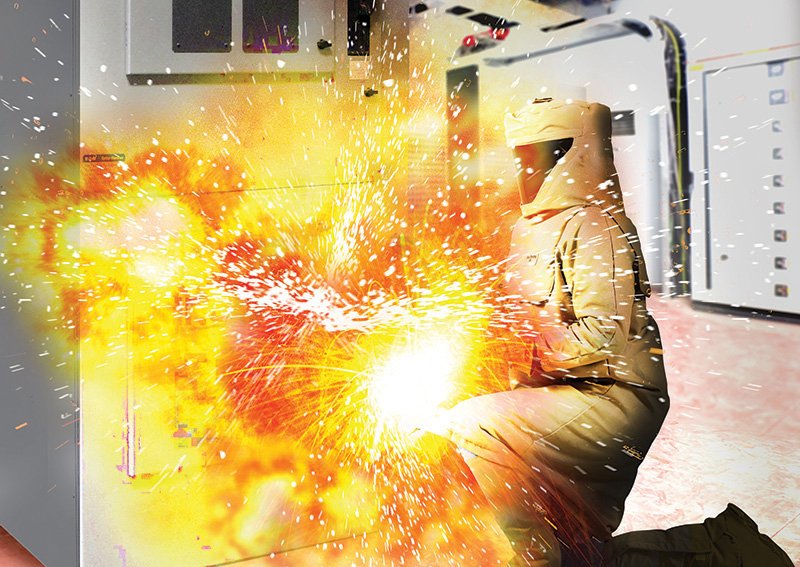
Arc flash hazard in Indiana cement manufacturing plant — NFPA 70E electrical safety training
NFPA 70E Training — Indiana

NFPA 70E Arc Flash Training
for Indiana’s Industrial Sector

Onsite and virtual electrical safety training built for Indiana’s cement manufacturing plants, heavy industrial facilities, and steel production operations — where high-voltage motor control centers, large kiln drives, and continuous process electrical systems create some of the most demanding arc flash environments in North American industry. Led by Certified Safety Professionals with direct cement and heavy industrial experience.

Indiana is one of the nation’s leading cement and building materials producers, with multiple cement manufacturing plants operating some of the most electrically complex process systems in American industry. Kiln drive systems at 4.16kV and above, raw mill motor control centers in dusty environments, limestone quarry electrical systems, and continuous-process substations expose qualified electrical workers to arc flash hazards that regularly exceed 40 cal/cm² without proper hazard analysis and PPE. Indiana OSHA enforces electrical safety standards for these environments, and NFPA 70E 2024 is the recognized standard every Indiana cement and industrial employer must meet.

Training Built for Indiana’s Most Demanding Electrical Environments

Indiana’s cement and heavy industrial sectors create arc flash hazard profiles found in few other states. We build curriculum around the specific equipment, voltage levels, and classified location designations your workers encounter every day.

Cement Manufacturing Plants

Indiana’s cement manufacturing facilities operate 24/7 continuous-process electrical systems with unique hazards: kiln drive variable frequency drives at 4.16kV, raw mill motor control centers in high-dust environments (which can increase arc flash incident energy), finish mill electrical equipment, and large substation infrastructure that powers the entire plant. These facilities also typically involve classified (hazardous) electrical locations in dust handling and storage areas under NEC Article 502. Our instructors have trained at cement facilities and understand the specific hazards your qualified electrical workers face.

Building Materials & Aggregate

Indiana aggregate quarries, ready-mix concrete operations, and building materials manufacturers operate crusher drive systems, conveyor motor control, and processing electrical equipment where arc flash hazards require documented hazard analysis and NFPA 70E-trained qualified workers.

Steel & Metal Manufacturing

Indiana’s steel production and metal manufacturing facilities — particularly in the Gary-Hammond corridor — operate large electric arc furnaces, rolling mill drives, and high-voltage distribution systems where arc flash incident energy levels can be extreme. Qualified electrical workers in these environments require NFPA 70E 2024 training tailored to the specific hazards of high-energy industrial electrical systems.

Automotive & Parts Manufacturing

Indiana’s automotive assembly and parts supply chain operates complex 480V and 4.16kV manufacturing systems — robotic welding, paint line power distribution, press drives, and conveyance systems — where electrical workers must be NFPA 70E-trained under Indiana OSHA enforcement.

Utilities & Power Generation

Indiana electric utilities and power generation facilities operate transmission, distribution, and generation infrastructure under OSHA 1910.269 and NFPA 70E. Indiana OSHA enforces these standards, and utility qualified workers require current NFPA 70E training.

Construction & Electrical Contractors

Indiana’s construction market — including industrial plant construction, commercial building, and infrastructure projects — employs electrical contractors who must have NFPA 70E-trained qualified workers for any energized electrical work under OSHA 29 CFR 1926 Subpart K.

Indiana OSHA: State Plan Electrical Safety Requirements

Indiana operates under Indiana OSHA, an OSHA-approved State Plan program. Indiana OSHA enforces electrical safety standards at least as stringent as federal requirements, including 29 CFR 1910 Subpart S for general industry, 29 CFR 1926 Subpart K for construction, and 29 CFR 1910.269 for utility operations. Indiana OSHA covers both private sector and state and local government workers — a broader scope than federal OSHA alone.

For cement and heavy industrial employers, Indiana OSHA enforcement is active. Process industries with complex electrical systems — continuous-process plants, high-voltage drive systems, and classified hazardous locations — receive heightened scrutiny. Cement plants operating kiln drive systems, raw material handling, and dust collector systems in NEC Article 502 classified locations must ensure their qualified electrical workers are trained and documented.

The General Duty Clause requires Indiana employers to protect workers from recognized hazards, including arc flash. Documented NFPA 70E 2024 training is the most defensible compliance position available to Indiana cement plants and industrial facilities — and the one Indiana OSHA compliance officers look for when investigating electrical incidents.
Indiana OSHA
State Plan Program
NEC Article 502
Dust-Classified Locations
NFPA 70E 2024
Qualified Worker Standard
4.16kV Systems
Cement Plant Voltage Levels

We Deliver Training Across Indiana

Onsite delivery to your facility, anywhere in the state

Indianapolis Gary Fort Wayne Evansville South Bend Bloomington Terre Haute Muncie Kokomo Anderson

Choose the Right Program for Your Indiana Workforce

Both formats are available onsite at your facility or virtually via Zoom or Microsoft Teams. All sessions are led live by a Certified Safety Professional and capped at 20 participants.

Full Qualification

2-Day Qualified Electrical Worker

Complete NFPA 70E 2024 curriculum tailored for Indiana cement manufacturing, heavy industrial, steel production, and automotive environments. Built around the specific voltage levels, equipment types, and classified location designations your electrical workers encounter on the plant floor.

  • Complete NFPA 70E 2024 standard coverage
  • Hazard identification and risk assessment methodology
  • Arc flash incident energy and PPE category selection
  • Arc flash study interpretation and label reading
  • Kiln drive electrical systems: 4.16kV VFD hazards and work practices
  • Raw mill MCC work in dusty environments: how dust affects arc flash calculations
  • Classified (hazardous) locations under NEC Article 502 — dust-ignitable environments
  • High-energy arc flash scenarios for continuous-process plant electrical systems
  • Energized electrical work permits and LOTO procedures
  • Group exercises and scenario-based application
  • Indiana OSHA State Plan requirements and General Duty Clause
Maximum 20 participants per session

Best for: Initial qualification or triennial retraining of cement plant maintenance electricians, heavy industrial electrical workers, and plant electrical supervision across Indiana facilities.

Request a Quote
Refresher

1-Day Refresher

Condensed review for workers with prior NFPA 70E training, covering 2024 edition changes, Indiana OSHA State Plan updates, and reinforcement of core electrical safety practices specific to cement plant and heavy industrial environments.

  • NFPA 70E 2024 edition changes and updates
  • Indiana OSHA State Plan enforcement priorities review
  • Risk assessment and PPE selection review
  • Energized work permit requirements
  • Cement plant scenario review: kiln drive and raw mill MCC work practices
  • Classified locations refresher: NEC Article 502 dust-ignitable environments
  • Group discussion and scenario-based review exercises
Maximum 20 participants per session

Best for: Annual compliance refreshers for cement plant electrical crews, heavy industrial maintenance teams, and plant EHS professionals with prior NFPA 70E training history.

Request a Quote

Common Questions About Indiana NFPA 70E Training

Answers to questions Indiana plant safety managers, EHS professionals, and industrial facility directors ask most often.

Can you deliver NFPA 70E training at a cement plant?

Yes. We have delivered NFPA 70E training at cement manufacturing facilities and have specific familiarity with the hazards of kiln drive systems, raw mill MCCs, and continuous-process plant electrical infrastructure. We customize the curriculum around your plant’s specific voltage levels, equipment, PPE inventory, and classified location designations — not generic examples that your workers can’t relate to.

What’s unique about NFPA 70E training in a cement plant environment?

Cement plants have several factors that increase arc flash risk compared to typical industrial facilities: high-voltage drive systems (4.16kV and above), dusty environments in raw material handling areas that can affect arc flash calculations, 24/7 operations that limit electrical shutdowns, and classified electrical locations under NEC Article 502. All of these require trained workers who understand not just the NFPA 70E standards but how to apply them in a cement plant context. A generic NFPA 70E course built around 480V industrial examples does not adequately prepare cement plant electrical workers for the hazards they encounter.

How many workers can attend each session?

All sessions are capped at 20 participants. For plant-wide rollout programs, we schedule multiple sessions to cover all qualified electrical workers. Smaller group sizes ensure meaningful engagement with the material through group exercises and scenario-based work — not a passive lecture format.

Schedule NFPA 70E Training for Your Indiana Facility

We respond to every inquiry within 24 hours. Tell us your facility type, location, voltage levels, and workforce size and we’ll build a program around your specific hazards, equipment, and compliance requirements.